This question comes up in almost every retirement planning conversation, and it rarely has a clean answer.
The honest truth is that renting and buying each make sense — just for different people, in different situations, with different priorities. What matters is being clear-eyed about what you’re actually weighing, rather than defaulting to the conventional wisdom that ownership is always the goal.
Here’s how to think through it.
The Case for Renting in Retirement
Renting gets dismissed too quickly in retirement conversations. For the right person, it’s a genuinely smart choice.
Flexibility. Retirement is a season of life that can shift unexpectedly — health changes, family circumstances, a desire to be closer to grandchildren. Renting keeps your options open in a way that ownership doesn’t. You’re not locked in.
Predictable costs. When you rent, you know exactly what you’re spending each month. No surprise roof repair. No HVAC replacement. No exterior maintenance that lands at the worst time. For retirees managing a fixed income, that predictability has real value.
Capital stays liquid. If you choose not to tie up a significant portion of your savings in a home purchase, that money stays accessible. For retirees who anticipate healthcare expenses or want to preserve flexibility in their investment strategy, liquidity matters.
The limitations of renting are real too. Rent increases over time. You’re subject to a landlord’s decisions. And in markets with strong demand — like the coastal Carolinas — rental availability can be limited and prices have climbed significantly.

The Case for Buying in Retirement
For most retirees who’ve done the math and plan to stay put, buying tends to make more sense — particularly in the current environment.
Cost stability over time. A fixed-rate mortgage means your principal and interest payment doesn’t change for the life of the loan. In an environment where rents have risen sharply in coastal markets, that stability is increasingly valuable.
It’s yours. This isn’t just emotional — it’s practical. You can modify the home to suit your needs, add accessibility features without asking permission, and make decisions about your living space without deference to anyone else.
Equity builds over time. In desirable markets like Brunswick County, NC, home values have appreciated meaningfully over the past decade. Buying into a new community early in its development — particularly one with strong long-term prospects — can deliver equity growth alongside lifestyle value.
Sense of permanence. For many retirees, knowing where home is matters deeply. Owning creates roots — in a neighborhood, a community, a set of relationships — in a way that renting rarely does.
The Questions That Actually Determine the Answer
Rather than applying a general rule, these are the questions worth sitting with:
- How long do you plan to stay? If the answer is five or more years, buying almost always pencils out better than renting when you run the actual numbers.
- How important is flexibility? If there’s meaningful uncertainty about where you’ll want or need to be in five years, renting preserves options that ownership forecloses.
- What does the monthly comparison actually look like? Run the real numbers — mortgage payment, taxes, insurance, and estimated maintenance — against what comparable rentals cost in the market you’re considering. The gap is often smaller than people assume.
- What’s your relationship with maintenance? New construction significantly reduces the maintenance burden in the early years. An older resale is a different calculation entirely.
- Do you want a community or just a roof? Ownership in a thoughtfully designed community — with neighbors who are there to stay, shared amenities, and an HOA that maintains shared spaces — creates a social environment that rental situations rarely replicate.
New Construction Changes the Equation
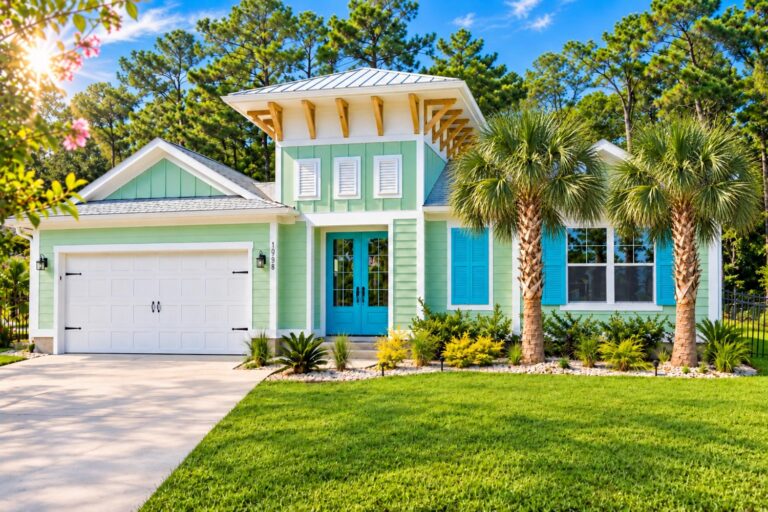
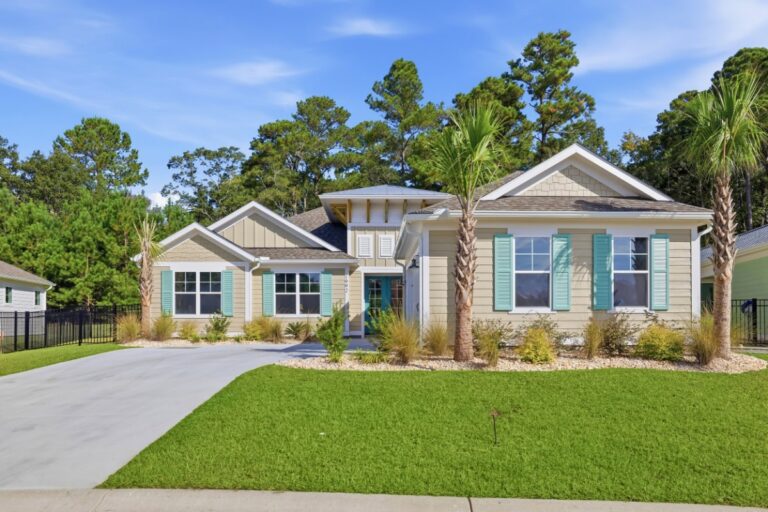
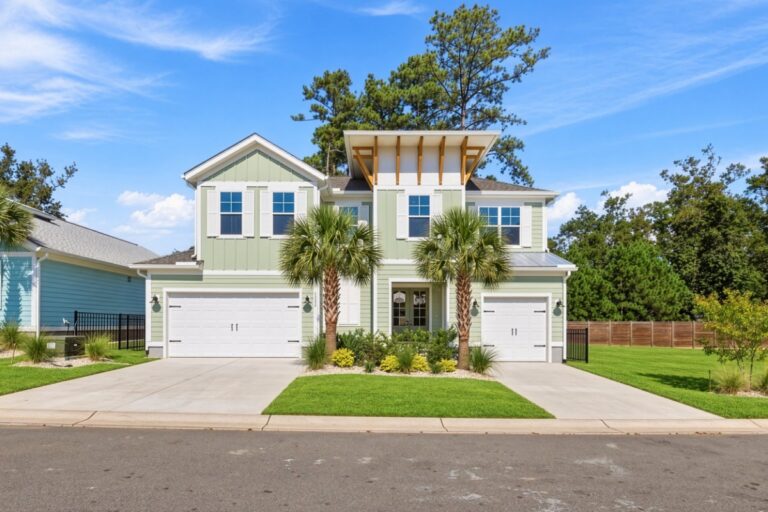
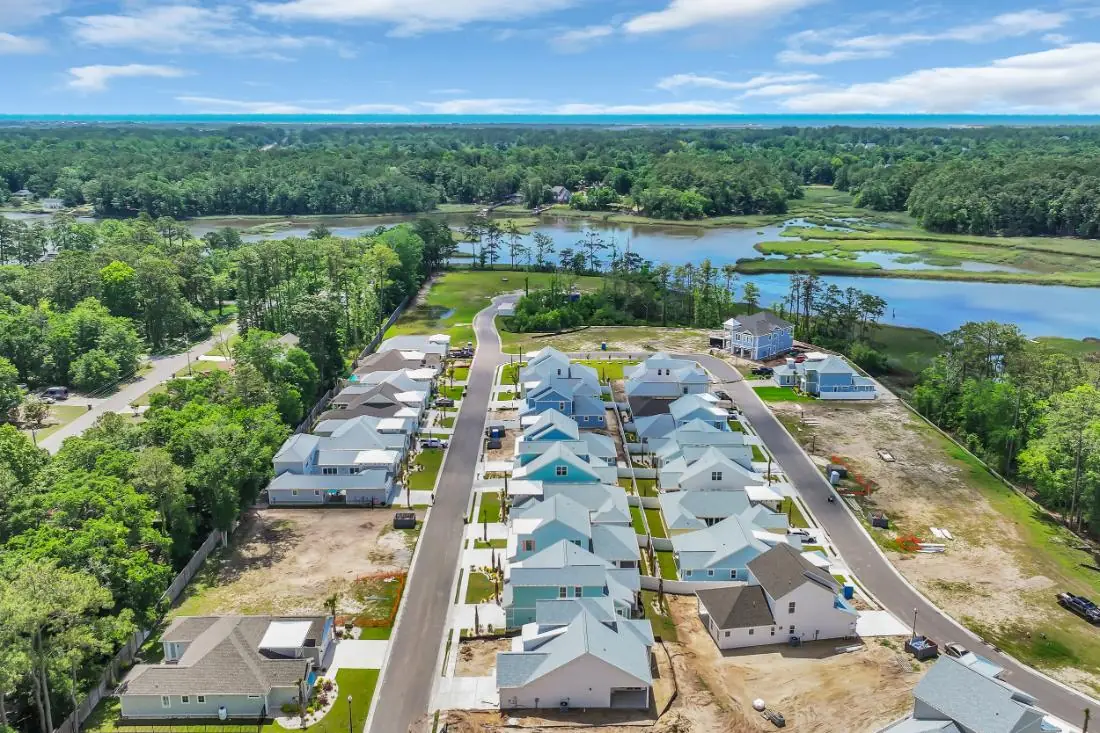
One factor worth addressing directly: new construction in retirement communities like Kingfish Bay shifts the renting vs. buying comparison in meaningful ways.
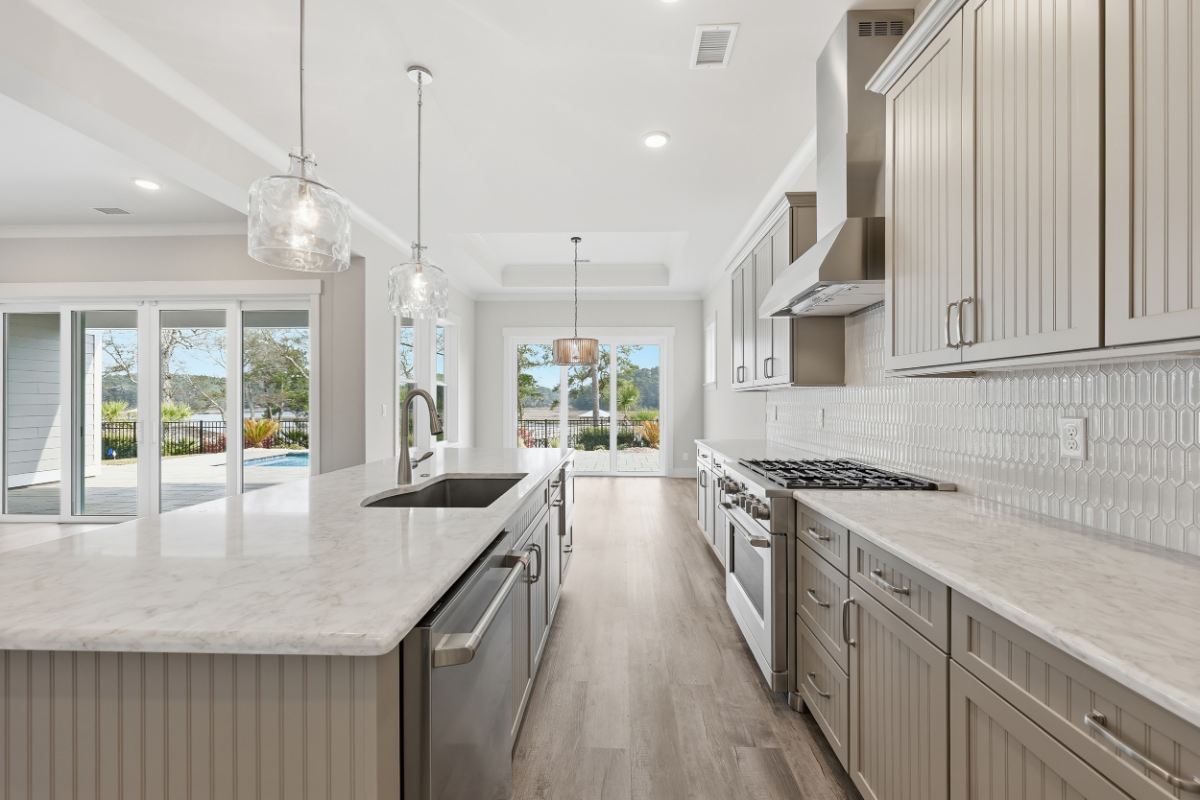
When you buy new, you’re not inheriting someone else’s deferred maintenance. The home is built to current energy standards, which keeps utility costs lower. Modern layouts — open floor plans, single-level options, wider doorways — are designed for how people actually want to live in this stage of life, not retrofitted for it.
And in a community where your neighbors are also owners, there’s a shared investment in the place that shapes everything from how the amenities are maintained to how people show up for each other.
The Bottom Line
Renting is the right call for retirees who need flexibility, aren’t sure where they’ll land long-term, or want to keep capital liquid for other priorities.
Buying makes more sense for retirees who know where they want to be, plan to stay, and want the stability, equity, and community roots that ownership provides.
If you’re leaning toward the coastal Carolinas and looking at new home communities, the numbers tend to favor buying — especially when you compare what ownership in a place like Kingfish Bay delivers against what rental alternatives in the same market actually cost.
It’s worth running the real comparison before you decide.