Retirement changes the way people think about homeownership. For decades, buying a home was often viewed as the default financial goal. But once retirement approaches, the question becomes far more personal:
Should you continue renting for flexibility, or buy a home that supports the lifestyle you want long-term?
The answer depends on your priorities, financial situation, and how you envision your next chapter. For many retirees exploring coastal communities like Kingfish Bay Development in Calabash, North Carolina, the decision is less about real estate and more about quality of life.
Why This Decision Matters More in Retirement
During working years, housing decisions are often tied to career opportunities, commuting, school districts, or raising a family. Retirement removes many of those pressures and opens the door to a different kind of thinking.
Now the focus shifts toward:
- Lifestyle and daily enjoyment
- Predictable monthly costs
- Ease of maintenance
- Community and social connection
- Long-term comfort and accessibility
- Access to healthcare, recreation, and nature
That’s why the renting versus buying conversation looks very different after retirement than it did earlier in life.
The Advantages of Renting in Retirement
For some retirees, renting offers simplicity and flexibility that align well with their goals.
1. Greater Flexibility
One of the biggest advantages of renting is mobility. If you are unsure where you want to settle permanently, renting gives you time to explore different locations without committing to ownership.
Some retirees spend several years testing coastal towns, warmer climates, or active adult communities before deciding where they truly want to stay long-term.
Renting can also make sense if you expect future lifestyle changes, such as moving closer to children or traveling extensively throughout the year.
2. Reduced Responsibility
Renters typically avoid many of the maintenance responsibilities that come with ownership. Repairs, landscaping, roof issues, and exterior upkeep are often handled by landlords or property managers.
For retirees looking to minimize responsibilities, this can feel appealing initially.
3. Easier Short-Term Budgeting
Renting usually requires less upfront capital than buying a home. Without a down payment, property taxes, or long-term mortgage commitments, retirees may feel more financially flexible in the short term.
However, that flexibility can sometimes come at the expense of long-term stability.
The Challenges of Renting Long-Term
While renting offers convenience, there are important tradeoffs retirees should carefully consider.
Rising Rental Costs
One of the largest concerns with renting in retirement is unpredictability. Rental rates can increase over time, especially in desirable coastal markets where demand continues to grow.
Unlike a fixed-rate mortgage, rent payments are subject to market fluctuations, leaving retirees exposed to future cost increases during years when maintaining predictable expenses becomes increasingly important.
Limited Personalization
Renting often comes with restrictions. Renovations, accessibility upgrades, and customizations may require landlord approval or may not be allowed at all.
For retirees planning to age comfortably in place, this limitation can become frustrating over time.
Lack of Equity Building
Monthly rent payments do not build ownership or long-term equity. While renting may simplify life in the short term, it does not create a lasting asset that can potentially support future financial goals or family planning.
Why Many Retirees Choose to Buy
For retirees who know where they want to live and plan to stay for several years, buying often becomes the more attractive long-term option.
Stability and Predictability
Homeownership creates consistency. With a fixed mortgage, monthly housing costs become more predictable over time, especially compared to rising rental markets.
This stability is particularly valuable during retirement, when many people rely on fixed or semi-fixed income sources.
Building Long-Term Value
Unlike rent payments, homeownership builds equity over time. Even beyond financial considerations, ownership creates a sense of permanence and emotional investment in a community.
Many retirees find comfort in knowing they truly own the place they call home.
Greater Lifestyle Control
Owning allows retirees to customize their homes for comfort, convenience, and accessibility.
Features like:
- Single-level living
- Wider walkways
- Outdoor entertaining areas
- Home offices or hobby spaces
- Low-maintenance landscaping
can all be designed around how retirees actually want to live today and in the future.
Why New Construction Changes the Equation
One important factor many retirees overlook is how differently new construction compares to older resale homes.
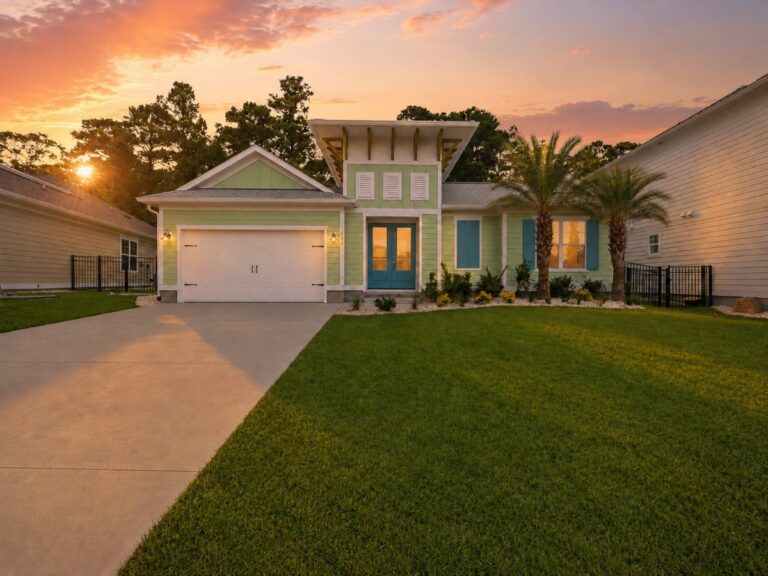
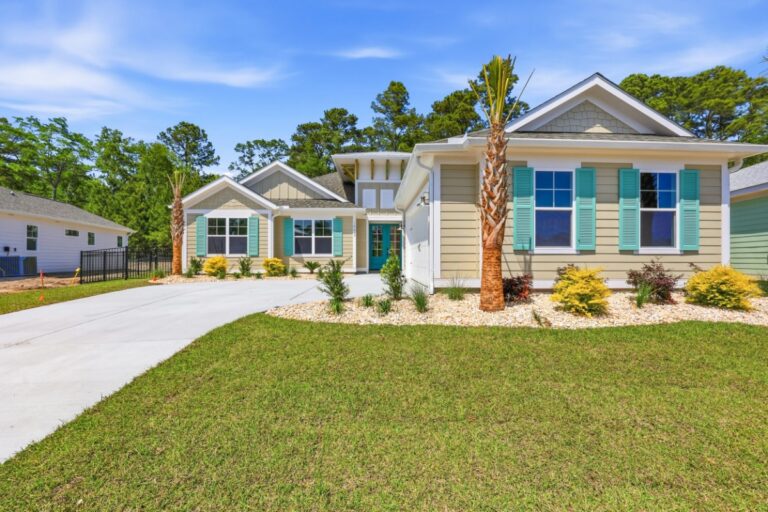
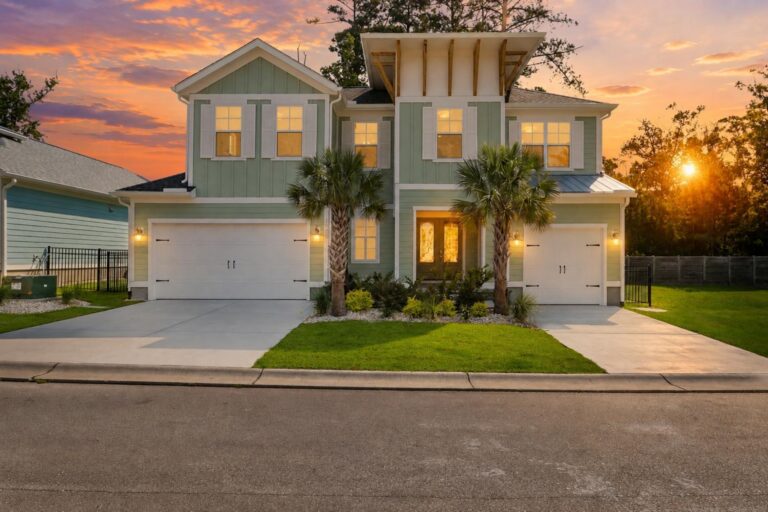
Communities like Kingfish Bay Development are specifically designed around modern retirement lifestyles, which significantly reduces many of the concerns traditionally associated with ownership.
Instead of inheriting outdated systems or deferred maintenance, buyers receive homes built to current standards with:
- Energy-efficient construction
- Open-concept layouts
- Modern kitchens and bathrooms
- Low-maintenance materials
- Better accessibility features
- Improved storm and weather resilience
For retirees, this can mean fewer unexpected repairs and more time enjoying life rather than managing a property.
The Lifestyle Difference: Community Matters
One of the biggest differences between renting and buying in retirement often has little to do with finances.
It comes down to community.
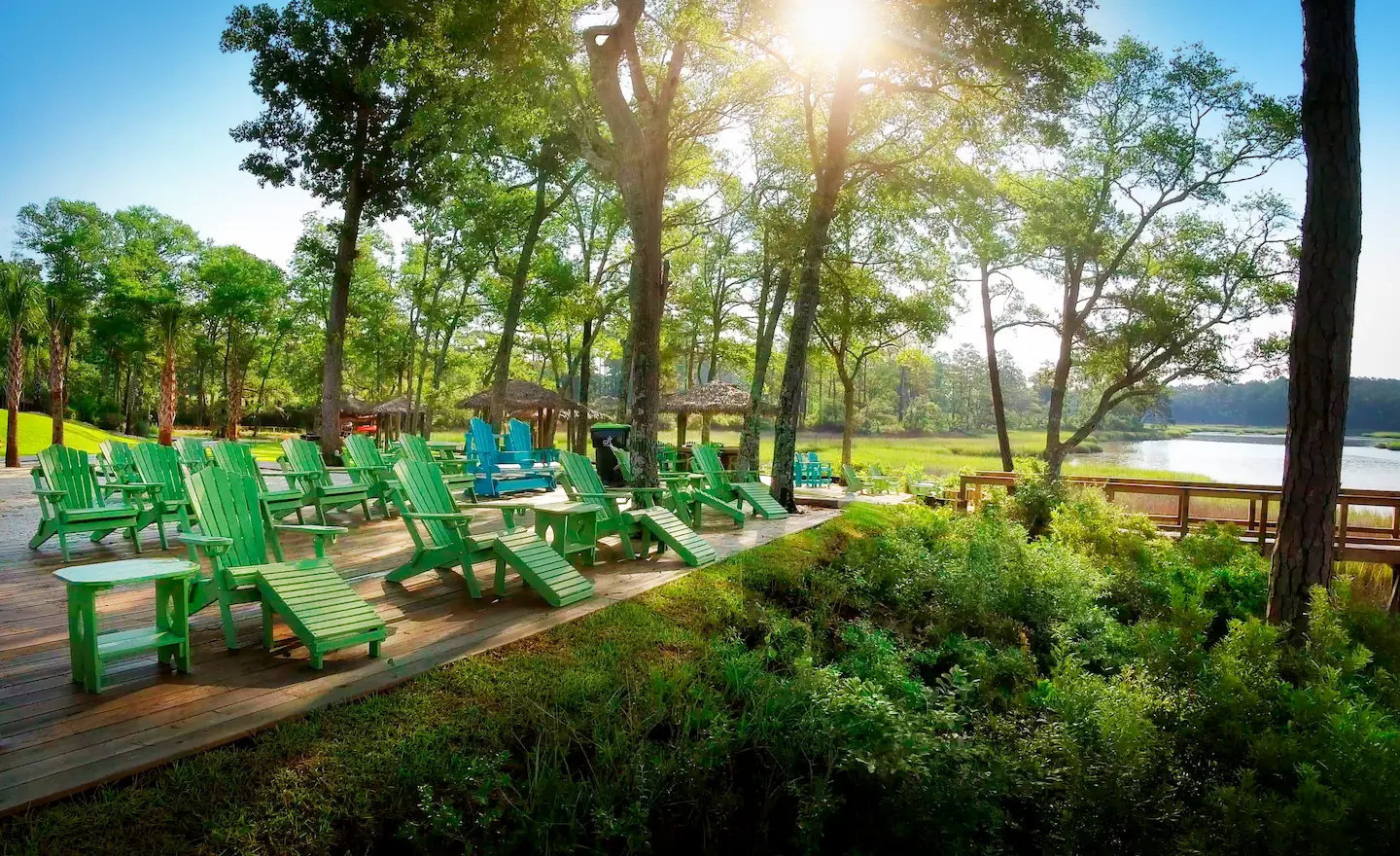
Retirees increasingly prioritize environments that encourage connection, activity, and wellness rather than simply providing housing. At Kingfish Bay, amenities are intentionally designed to support social interaction, outdoor living, and everyday relaxation.
Residents enjoy features such as:
- A private gated waterfront setting
- Resort-style pool and spa
- Fitness center and wellness spaces
- Walking trails and riverfront parks
- Fishing piers and kayak launches
- Social clubs and gathering spaces
- Exclusive access to a private oceanfront clubhouse at nearby Sunset Beach
These shared experiences create a sense of belonging that many retirees find difficult to replicate in traditional rental environments.
Coastal Retirement Living Adds Another Layer
For retirees considering coastal North Carolina, buying may become even more compelling due to the lifestyle advantages the region offers.
Calabash and the surrounding coastal communities provide:
- Mild year-round climate
- Easy access to beaches
- Golf courses and outdoor recreation
- Nearby healthcare systems
- Walkable, relaxed environments
- Convenient shopping and dining
Kingfish Bay combines these regional benefits with thoughtfully designed homes and resort-style amenities that appeal specifically to active adults and retirees seeking a slower, more intentional pace of life.
Questions to Ask Yourself Before Deciding
Before choosing between renting and buying in retirement, it helps to ask a few important questions:
How long do you plan to stay?
If you expect to remain in one area for five or more years, buying often becomes financially and emotionally worthwhile.
Do you value flexibility or stability more?
If future plans feel uncertain, renting may offer peace of mind. If you already know where you want to settle, ownership may provide greater long-term satisfaction.
What type of lifestyle do you want?
Some retirees prioritize convenience and mobility. Others prioritize roots, community, and personalization.
How important is low-maintenance living?
New construction communities can significantly reduce the upkeep concerns commonly associated with homeownership.
The Bottom Line
There is no universal answer to whether renting or buying is better in retirement.
Renting works well for retirees who value flexibility, want minimal commitment, or are still exploring where they want to live long-term.
Buying often makes more sense for retirees who:
- Know where they want to settle
- Want predictable long-term housing costs
- Value community and lifestyle
- Prefer building equity
- Want a home designed around modern retirement living
For many people exploring coastal North Carolina, communities like Kingfish Bay Development make ownership especially attractive by combining low-maintenance homes, resort-style amenities, and a connected waterfront lifestyle designed specifically for this stage of life.