The phrase “active adult community” gets used to describe a lot of things — from sprawling resort-style developments with every amenity imaginable, to modest neighborhoods with a clubhouse and a pool that sits empty most of the year. The label doesn’t tell you much. What’s inside it does.
If you’re evaluating communities and trying to figure out what actually separates a great one from one that just photographs well, this checklist is built for that conversation.
1. The Amenities Are Used, Not Just Listed
Every community will hand you a brochure with an amenity list. The question is whether those amenities reflect how people actually live — or whether they were designed to win on paper.
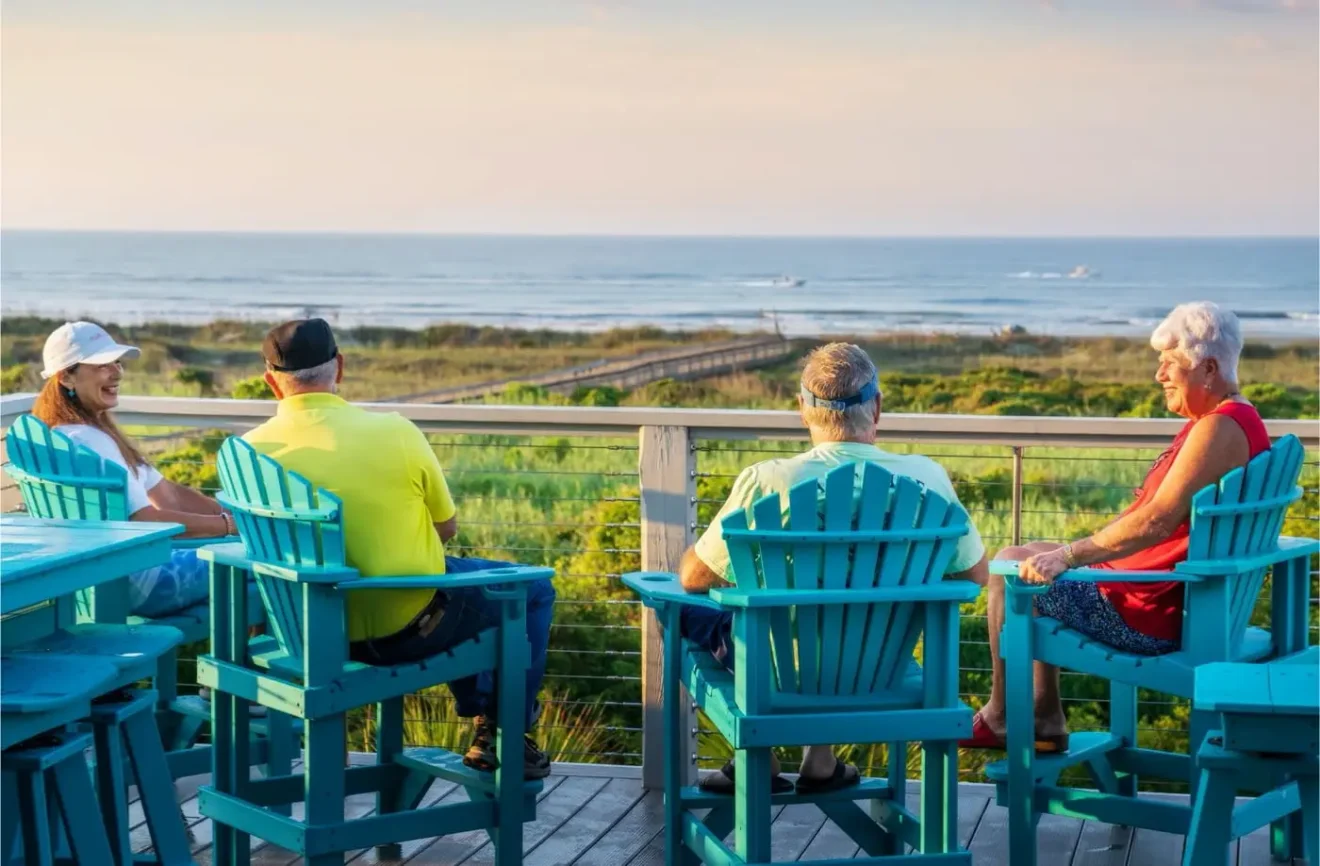
A walking trail that connects to natural surroundings is different from a paved loop around a parking lot. A kayak launch on a real waterway is different from a decorative pond. A community center with an active programming calendar is different from a room with a pool table and a coffee maker.
When you visit, ask to see the amenities in use. Look for wear that suggests people actually show up. Talk to residents about what they use every week versus what they’ve been to once.

2. The Location Does Real Work
Location in a retirement community isn’t just about the view from the brochure — it’s about what your daily life actually looks like.
How far are you from quality healthcare? How far from a grocery store? What does traffic look like between your front door and the places you’ll go regularly? Is the beach or waterway actually accessible, or is it technically nearby but practically inconvenient?
The best active adult communities in Calabash are positioned so that the life you want to live is genuinely within reach — not just theoretically possible.
3. The Homes Are Built for This Stage of Life
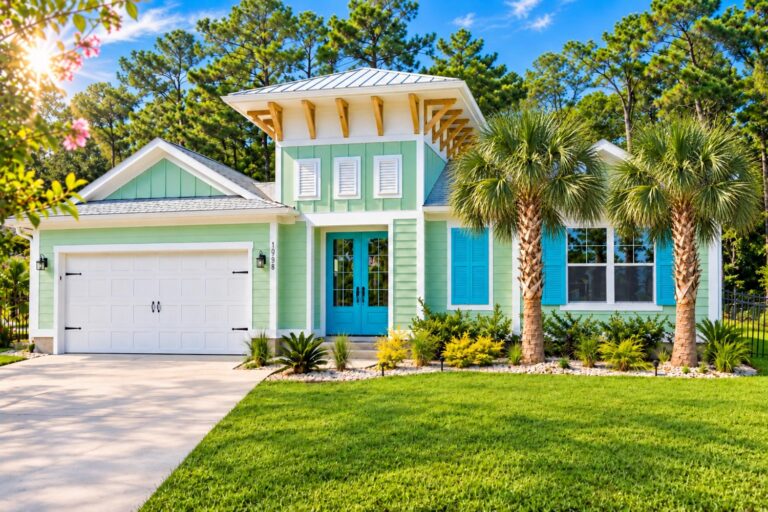
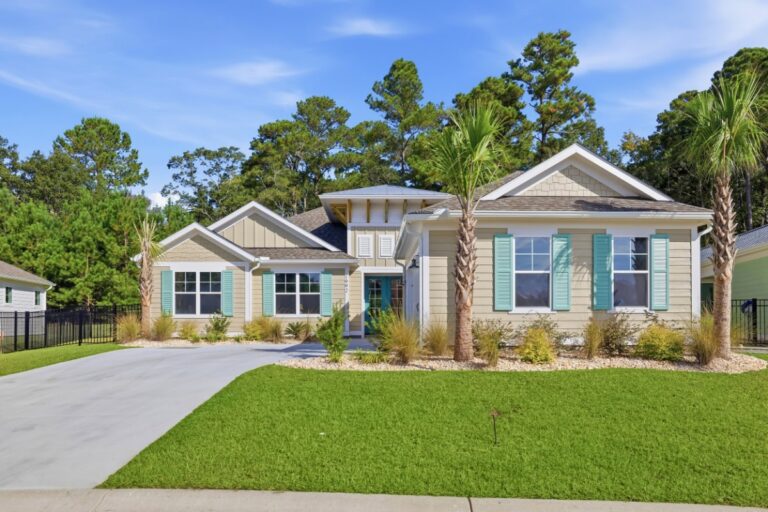
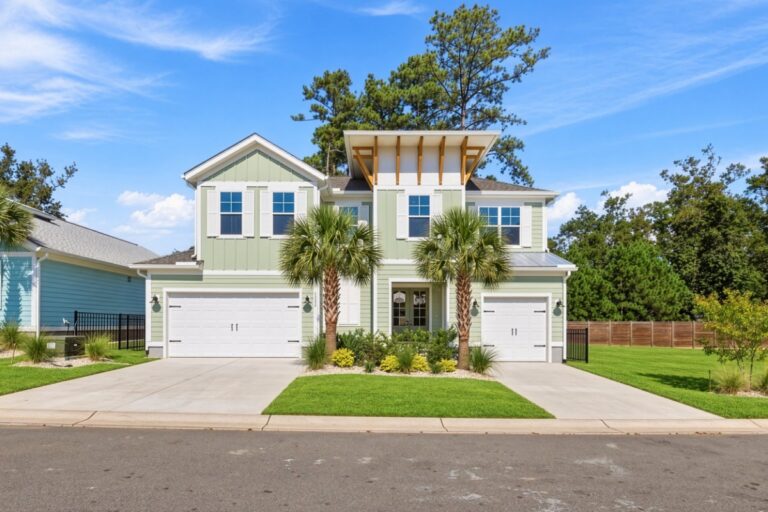
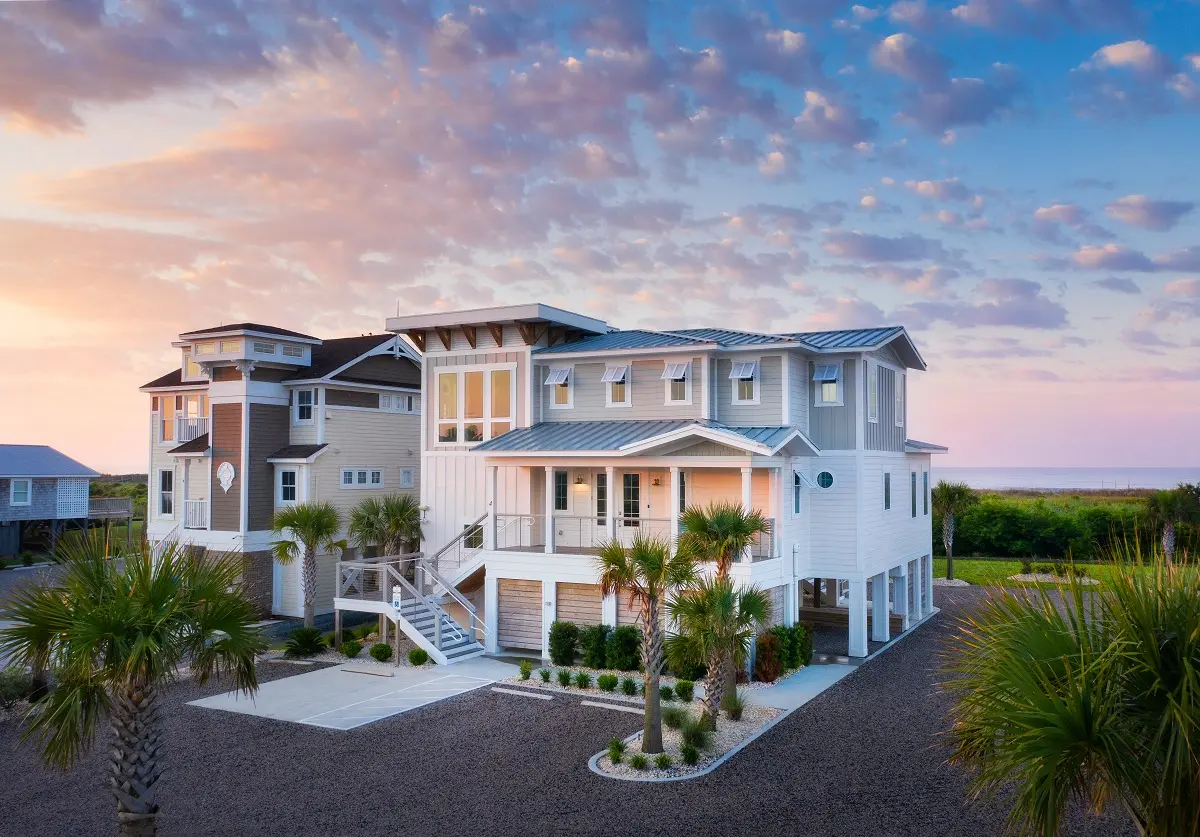
A great community offers homes that are designed for the way people live in retirement — not adapted from floor plans built for families with young children. Look for: single-level options or primary suites on the main floor, open layouts that make entertaining natural, wider doorways and accessible design that serves you now and accommodates change over time, energy-efficient construction that keeps utility costs manageable, and storage that actually matches how retired people live.
New construction has a significant advantage here. You’re not working around someone else’s choices — you’re building around your own.
4. The Community Culture Is Real
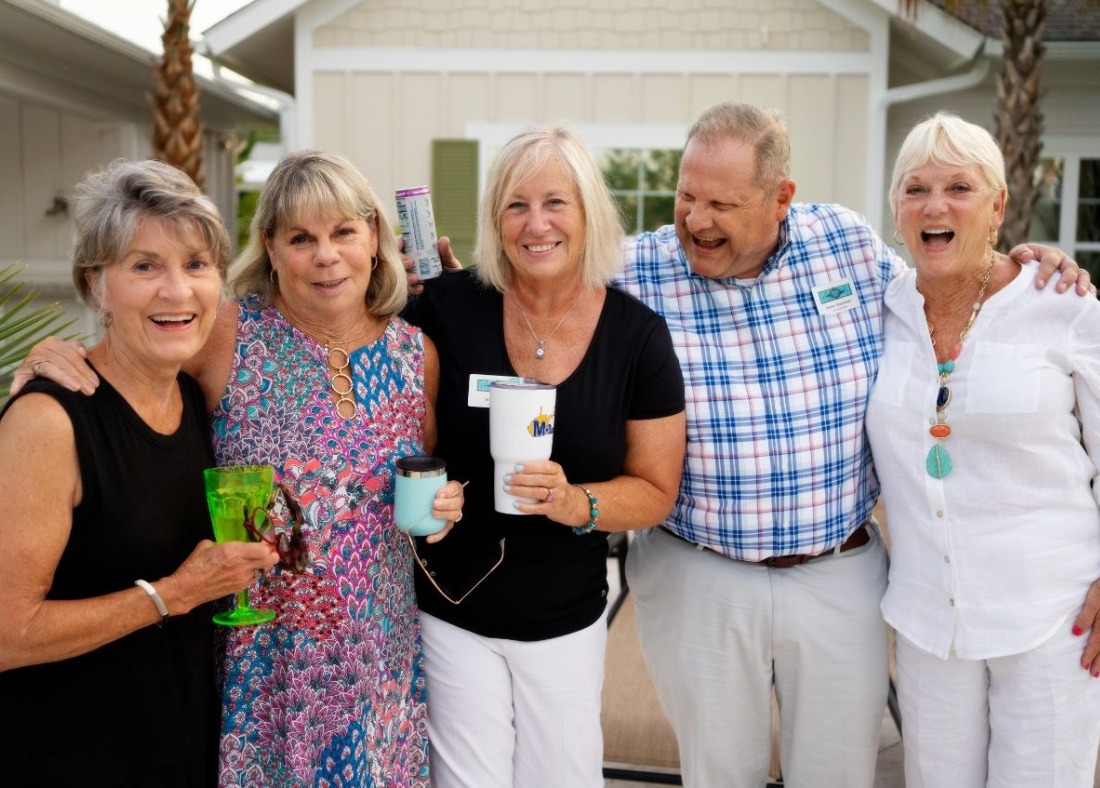
This is the one that’s hardest to assess from a website but most important to get right. A great active adult community has a social fabric — people who know each other, show up for community events, look out for neighbors, and have built genuine relationships through shared space and shared life. That doesn’t happen by accident. It’s shaped by the developer’s long-term commitment, the quality of social programming, and the type of buyer the community attracts.
Visit on a weekday. Have lunch somewhere nearby and talk to residents without the sales team present. Ask what surprised them about living there. The answers will tell you more than any amenity list.
5. The Developer Has Skin in the Game
Some communities are built to sell and move on. Others are built by developers who live with the reputation they create — who are present during construction, responsive after move-in, and invested in the long-term quality of what they’ve built.
Read the customer reviews. Look for specifics — names, situations, resolutions. A pattern of responsive, caring communication from a developer tells you something important about what ownership in that community will feel like five years from now.
6. The Finances Are Transparent
HOA fees, what they cover, how they’ve trended over time, and what the reserve fund looks like — these are questions worth asking directly before you commit.
A well-run community has transparent financials, a funded reserve for long-term maintenance, and an HOA structure that actually functions. A community that can’t answer these questions clearly is worth approaching carefully.
7. You Can Picture Your Tuesday There
This is the final and most underrated test. It’s easy to be impressed by a Saturday visit during a sales event. The harder question is whether you can picture an ordinary Tuesday — what you’d do in the morning, where you’d go in the afternoon, who you’d run into, how you’d feel at the end of the day.
Great active adult communities pass the Tuesday test. The life they offer isn’t a highlight reel — it’s a sustainable, genuinely enjoyable everyday experience that holds up over months and years, not just weekends.
How Kingfish Bay Measures Up
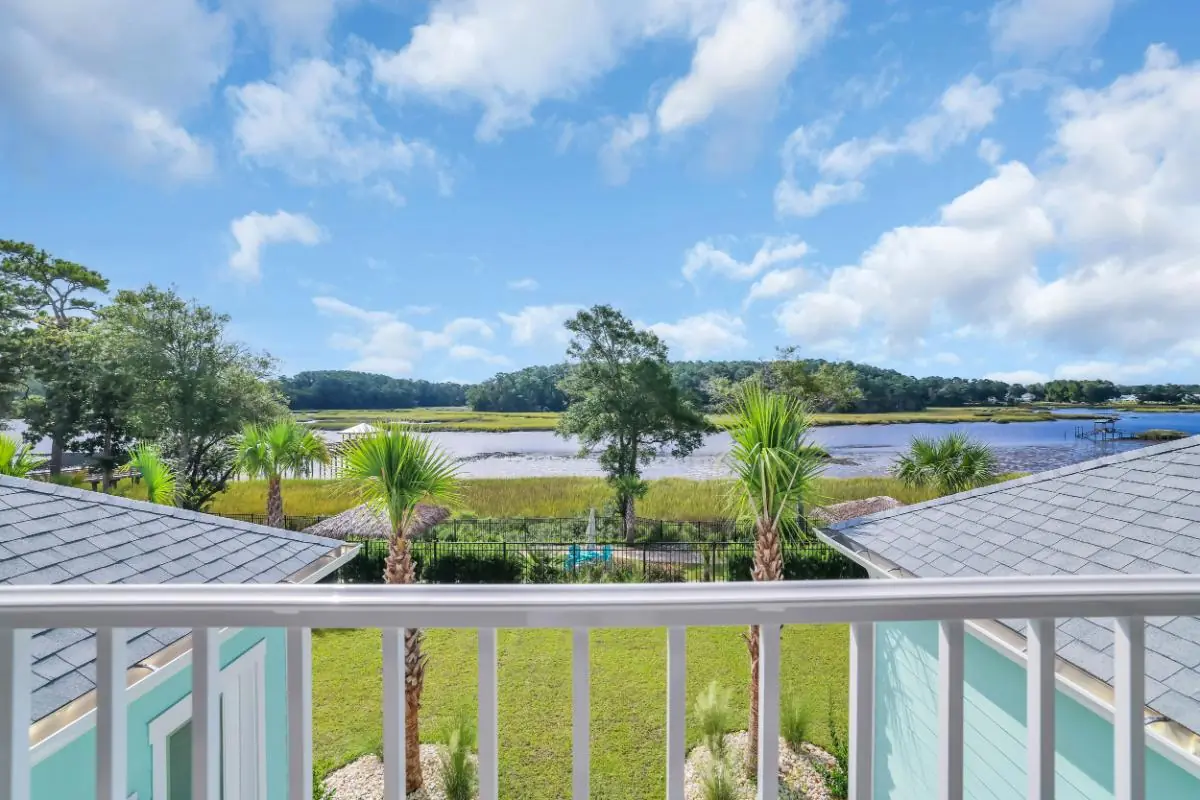
Kingfish Bay in Calabash, NC was built with this kind of scrutiny in mind. The amenities — riverfront parks, kayak launches, walking trails through preserved natural land, a community center, Beach Club, and active social programming — were designed for daily use, not photography. The location along the Calabash River, minutes from Sunset Beach and 20 minutes from North Myrtle Beach, puts real life within easy reach. The home collections are built for how people actually want to live in this stage, with options ranging from low-maintenance cottages to custom waterside homes.
And the reviews — from real residents, with real names, describing real experiences — reflect a developer that shows up not just at closing, but through the entire process.
We’d encourage you to apply every item on this checklist when you visit. The community holds up to it.
Schedule a tour today!