There are beach towns that make a lot of noise about themselves, and then there’s Sunset Beach.
No towering resort corridors. No bumper-to-bumper boardwalks. No race to out-develop the neighbor island. Just wide white sand, a gentle barrier island geography shaped over centuries by Atlantic tides, and a community of people who found this place and decided, very deliberately, to stay.
For anyone researching coastal living in southeastern North Carolina, Sunset Beach tends to come up early — and once you visit, you understand why. It’s one of those rare coastal destinations that has managed to grow without losing the quality that made people want to be there in the first place. That combination is rarer than it sounds, and it goes a long way toward explaining why residents, longtime visitors, and new buyers consistently rank it among the most beloved places on the Carolina coast.
Here’s a closer look at what actually makes it that way:
The Geography Does Something to You
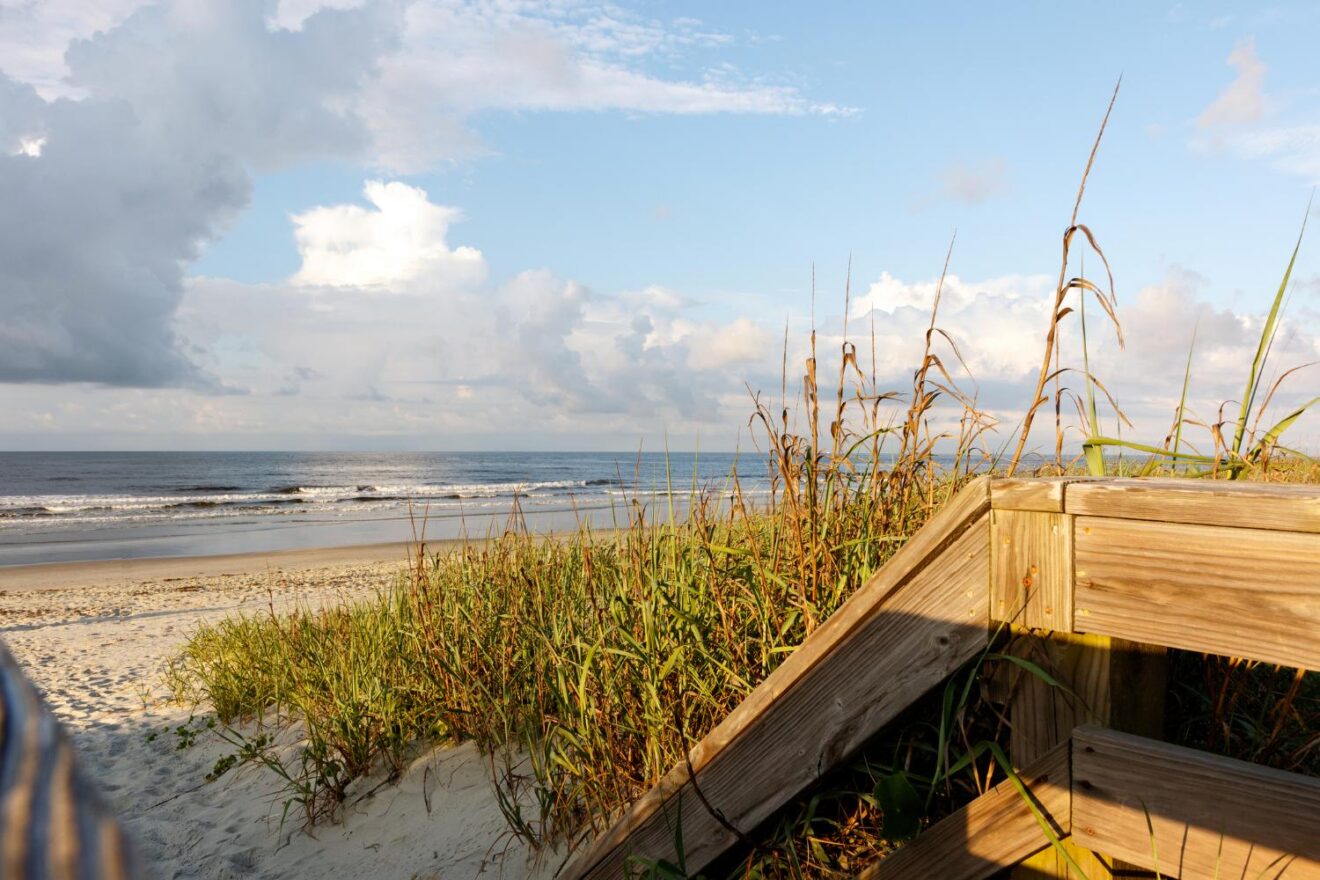
Sunset Beach is a barrier island in Brunswick County, tucked into the southernmost stretch of North Carolina’s coastline just north of the South Carolina line. It’s narrow in the way that the best barrier islands are — close enough to both ocean and inlet that you’re never far from the sound of water, regardless of which direction you look.
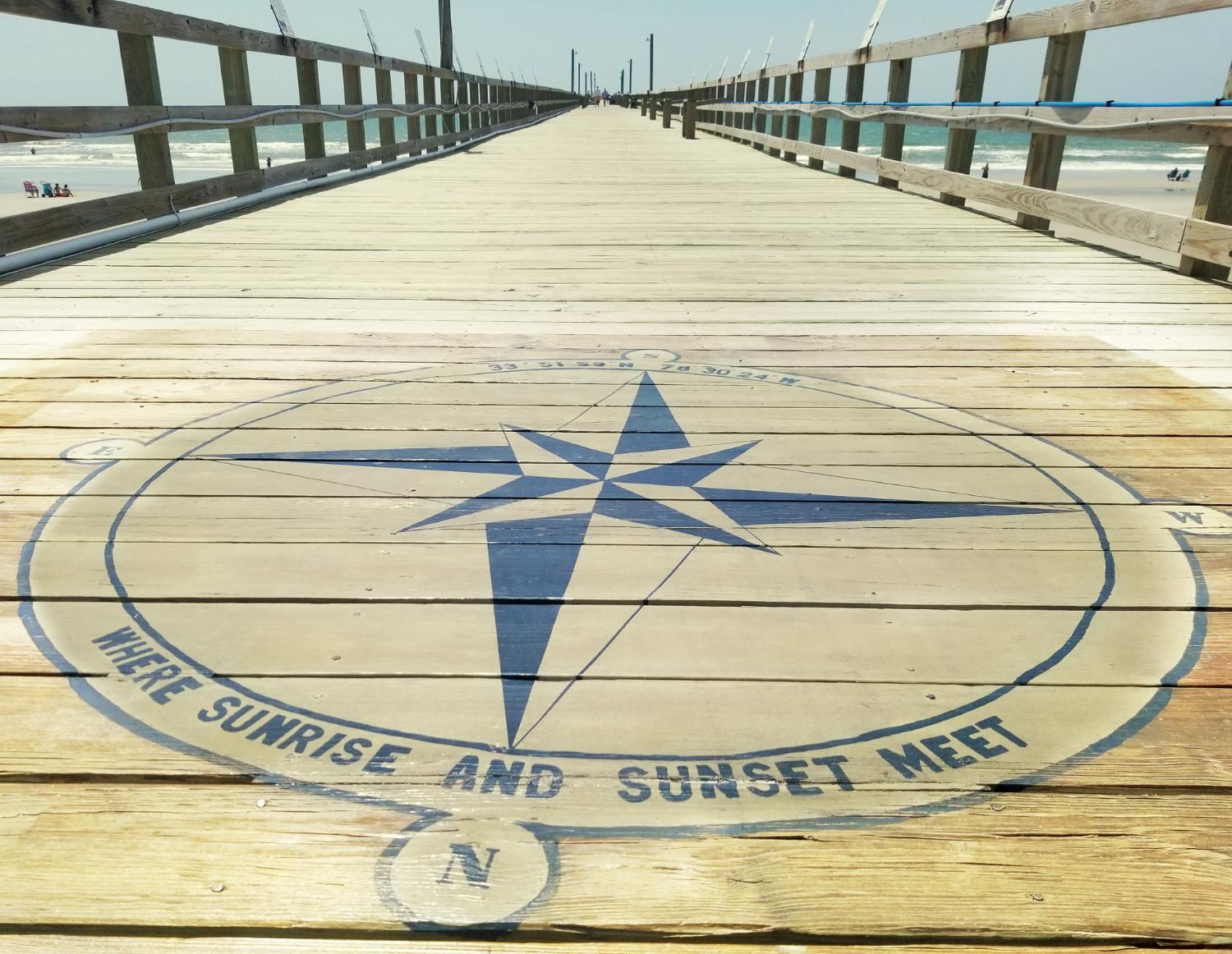
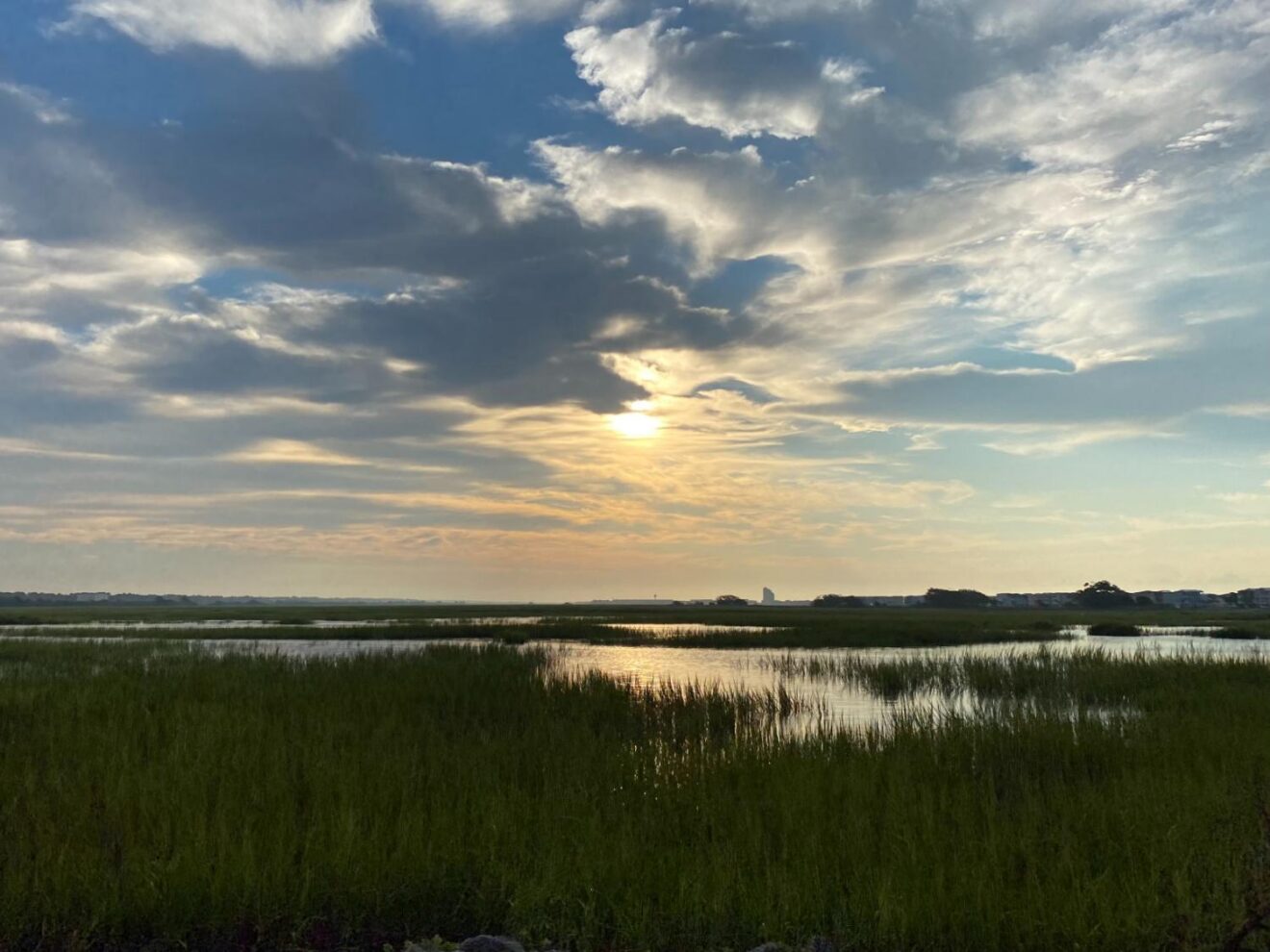
The beaches themselves are notably wide and flat, which creates a particular morning light that photographers and early walkers know well: low sun, long shadows, the tide pulled back far enough to expose hard-packed sand that stretches out like a natural walking path with an ocean view. Shelling is genuinely good here. Birding is better. And the sunsets — the town didn’t choose that name by accident — are the kind that make people stop mid-conversation and just look west.
What the geography also does is keep the pace honest. The island is small by design, connected to the mainland in a way that still feels intentional rather than suburban. The result is a sense of separation from the noise of everywhere else that’s immediate and physical. You feel it as soon as you cross over.
It Has Stayed Itself
This is perhaps the most important thing about Sunset Beach, and the hardest thing to preserve along any stretch of desirable coastline: it has maintained its character through growth.
A lot of coastal towns in the Southeast have been under tremendous development pressure over the past twenty years. Some have handled it well. Many have not. The ones that get it wrong tend to follow a predictable pattern — gradual replacement of what made a place distinct with whatever is most profitable in the short term, until the original character is gone and the place is indistinguishable from dozens of others.
Sunset Beach has resisted this through a combination of civic intentionality, protective zoning, and the attitudes of the people who live there year-round. It remains a town where local character is not a marketing concept but an actual daily reality: the same waterfront fishing spots, the same unhurried pace on a Tuesday afternoon, the same sense that the people you encounter at the local spots are genuinely from here.
For buyers and families considering coastal relocation, this matters enormously — not just aesthetically but practically. A community that has preserved its character tends to preserve its value, its livability, and its sense of belonging for the people who choose it.
The Water Is the Whole Point
What separates Sunset Beach from inland communities — even beautiful ones — is the relationship to the water that comes with proximity. It’s not just the ocean beach, as spectacular as that is. It’s the full coastal ecosystem: the Intracoastal Waterway running behind the island, the tidal creeks and salt marshes, the estuaries where the Calabash River drains toward the sea.
This geography creates a layered relationship with the water that goes well beyond beach access. Kayakers can explore tidal waterways for hours without covering the same stretch twice. Fishermen have access to everything from pier fishing on the Atlantic to inshore creek fishing for flounder and redfish to offshore charters targeting larger species in the Gulf Stream. Boaters find calm, navigable waterways that connect to an enormous coastal network without requiring a deep-water marina departure.
The bird life that this coastal ecosystem supports is extraordinary. Sunset Beach sits in an important migratory corridor, and the resident species — brown pelicans, oystercatchers, herons, egrets, and the occasional painted bunting — add a dimension to daily life that people coming from inland areas find genuinely surprising. It becomes part of the rhythm: coffee on the porch, pelicans in formation, the day beginning.
The Community Is the Quiet Anchor
Sunset Beach draws a particular kind of person: one who has done enough research to find it, and made enough of a choice to come here deliberately rather than landing here by default. That self-selection produces a community with a certain quality of resident — engaged, invested, genuinely present rather than just physically located here.
The year-round community is tight-knit in the way that genuinely coastal towns tend to be. People know their neighbors. Local events are well-attended. The seasonal rhythm — quiet winters, active springs and falls, managed summer energy — gives the community a texture that resort-only destinations lack entirely.
For those considering a new coastal home nearby, this community character extends into the planned communities along the mainland corridor as well. Kingfish Bay, located just 5.5 miles from Sunset Beach in Calabash, was designed with this quality of life explicitly in mind — and gives residents something genuinely rare: private, exclusive access to Sunset Beach through the community’s own Oceanfront Beach Club. A multi-level clubhouse directly on the shore, with open-air decks overlooking the Atlantic, indoor entertaining space, a modern kitchen, clean bathhouses with lockers and showers, and dedicated parking. Beach days aren’t a road trip — they’re a ten-minute drive to your own private slice of the shoreline.
It’s the kind of access that reframes the relationship between where you live and where the coast actually is.
What Year-Round Life Here Actually Looks Like
It’s worth being specific about this, because the picture in people’s minds when they think “beach town” is often a summer vacation memory — full beaches, ice cream shops, the heightened sensory experience of a week away. Year-round coastal life is something different, and in many ways richer.
Winter mornings at Sunset Beach are quiet in a way that approaches solitude. The beaches are yours. The light is lower and more dramatic. The air has a crispness that the summer months don’t offer. January and February bring the occasional cold front, but the baseline temperature along this stretch of coast — Brunswick County sits far enough south that the Gulf Stream influence is real — means that outdoor living doesn’t stop. It just shifts pace.
Spring arrives early and decisively: warmer water, returning birds, the coastal vegetation responding to longer days. Fall is, for many longtime residents, the secret best season — warm enough for the water, cool enough for comfort, light that turns golden in the late afternoon and holds there, and far fewer people competing for the same stretch of sand.
This is the year most people don’t imagine when they start researching coastal relocation, and it’s the year that turns one-time visitors into permanent residents.
The Practical Case Is Just as Strong as the Emotional One
Sunset Beach and the surrounding Brunswick County corridor offer something increasingly rare in American coastal real estate: genuine quality of life at prices that still reflect the fact that this part of the coast is not yet famous enough to be fully priced in.
Property taxes in Brunswick County are among the lowest in the state. North Carolina’s income tax rate is a flat 3.99%, and Social Security is fully exempt from state tax, making the area particularly compelling for retirees. The cost of living runs below the national average. Access to Wilmington for larger healthcare systems, shopping, and the airport is 45 minutes north. The Myrtle Beach metro is a comparable drive south, providing additional infrastructure and entertainment options without requiring you to live inside either of them.
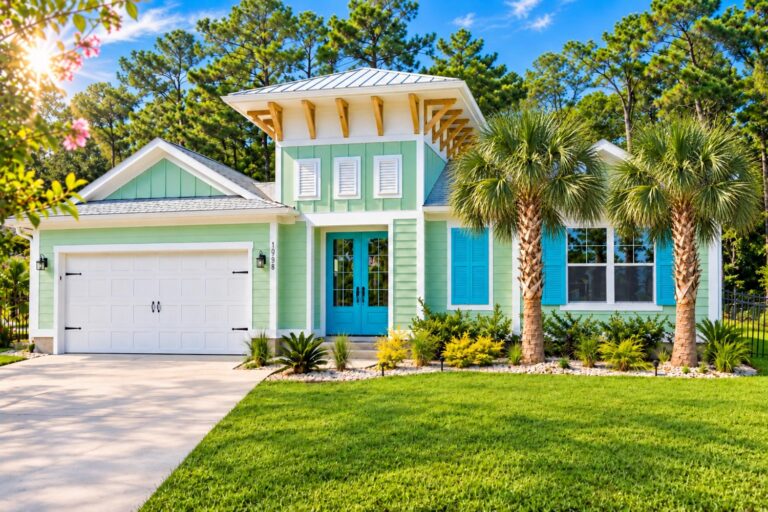
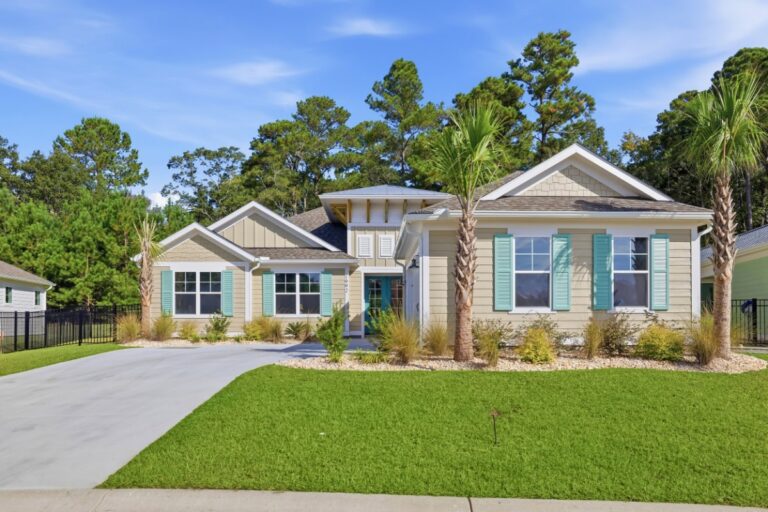
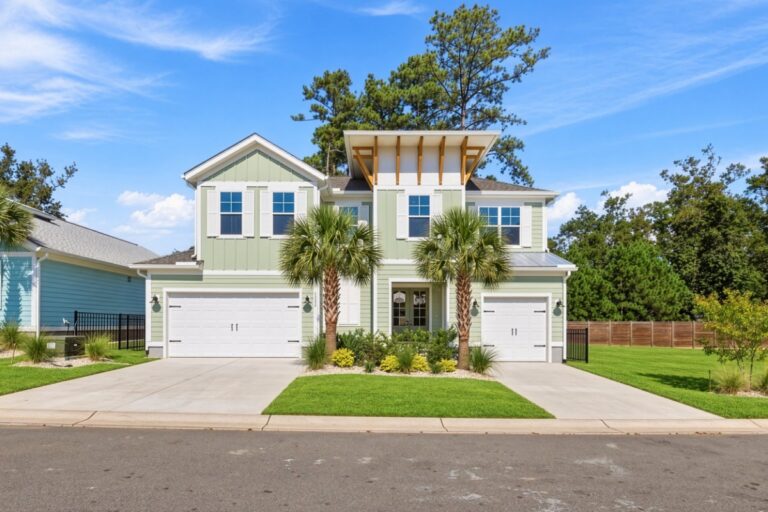
For buyers considering new construction, the planned communities on the mainland near Sunset Beach — Calabash in particular — offer modern coastal architecture, resort-level amenities, and access to the beach that the island itself can’t provide at comparable prices. The combination of location, quality of design, and community infrastructure is genuinely difficult to replicate elsewhere on the East Coast at this price point.
A Town Worth the Trip to See In Person
The thing about Sunset Beach is that it makes its own case. Reading about it is useful context, but the place has a quality that only comes through when you’re standing on it — the scale of the beach, the character of the light, the particular quiet of a coastal barrier island that hasn’t been overmanaged into blandness.
If you’re doing serious research on coastal North Carolina living, Sunset Beach belongs on the itinerary. Come in the off-season if you can. Walk the beach in the morning before anyone else is there. Drive through Calabash and stop for seafood. Look at what the community actually feels like, not just what the listing photos suggest.
Most people who make that trip understand what the long-term residents already know: this part of the coast is something worth being serious about.
Kingfish Bay is a private gated coastal community in Calabash, NC — just 5.5 miles from Sunset Beach. Residents enjoy exclusive access to a private Oceanfront Beach Club directly on Sunset Beach, along with a riverfront park, resort-style pool, fitness center, kayak launch, fishing piers, and nature trails on 60+ acres along the Calabash River.